
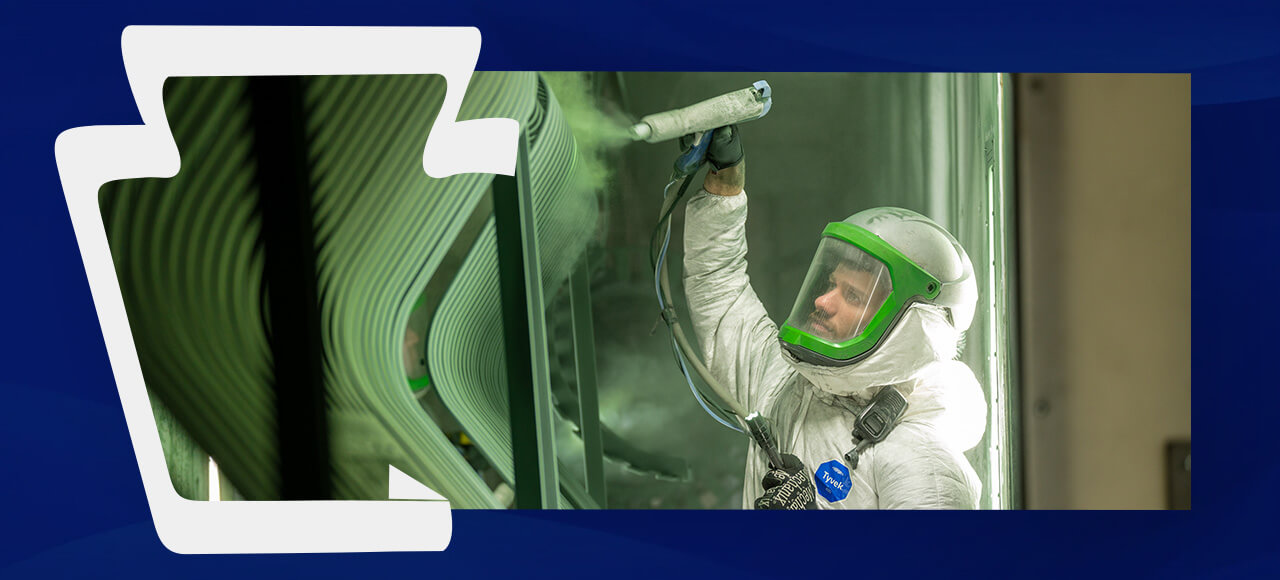
Powder coating is used across various industries because of its aesthetic finish, corrosion and chemical resistance, which make it ideal for agricultural, vehicle and medical applications. Before businesses start powder coating their products, they need to choose the powder type that best suits their needs.
This guide compares the durability profiles of different powder coating options to help you choose the right finish for your application.
Epoxy Powder Coating
Epoxy is a popular finish because of its hardness, chemical and corrosion resistance. It’s an excellent choice for manufacturers in industries that require high performance and protective capabilities against demanding operating conditions.
Epoxy Strengths, Limitations and Best Use Cases
Choose an epoxy powder coat for several benefits, including:
-
Uniformity
-
Hardness and durability
-
Strong adhesion with pretreatments
Epoxy has a few weaknesses, such as being for indoor use only and having poor UV stability.
Industries that use epoxy powder coating include:
-
Medical equipment
-
Oil drilling
-
Natural gas production
Polyester Powder Coating
Polyester has lower chemical resistance than other coating options, such as epoxies, polyurethanes or fluoropolymers. It’s common on products like fencing because of its weather resistance. What makes polyester stand out is its low curing temperature, making it ideal for heat-sensitive items.
There are two types of polyester powder coatings:
-
Triglycidyl isocyanurate (TGIC) polyester: Offers versatility with balanced properties and good outdoor durability.
-
Urethane polyester: Known for its enhanced durability, toughness and smoother finish, but requires higher film thickness to prevent peeling.
Polyester Strengths, Limitations and Best Use Cases
Using a polyester powder coat has several benefits, including:
-
Cost efficiency
-
Overbake resistance
-
Weather resistance
There are a few drawbacks to consider with polyester coatings, such as:
-
Lower chemical resistance
-
Lower mechanical strength
-
UV degradation
Polyester powder coating has applications in the following industries:
-
Plumbing
-
Power transmission
-
Outdoor decorations and furniture
Epoxy-Polyester Hybrid Powder Coating
Epoxy-polyester hybrid powder coatings blend epoxy and polyester resins. They are designed to combine the adhesion characteristics and chemical resistance of epoxy with some of the weather resistance of polyester, offering a balanced performance profile.
Epoxy-Polyester Strengths, Limitations and Best Use Cases
Benefits of this hybrid coating include:
- Cost-effectiveness
- Strong adhesion
- Great electrostatic spray transfer
When choosing this hybrid, consider its limitations, such as chalking or fading in direct sunlight.
Epoxy-polyester hybrid coatings are best suited for the following applications:
- Everyday hardware
- Machinery and electronics
- Home appliances and office equipment
Fluoropolymer Powder Coating
Fluoropolymer powder coatings perform well in architectural applications. Strong weathering properties and high corrosion resistance make these coatings ideal for outdoor use.
There are two common types of fluoropolymer powder coatings:
-
Polyvinylidene difluoride (PVDF): This fluoropolymer powder coat requires a primer first, and bonding for metallic coats is more difficult.
-
Fluoroethylene vinyl ether (FEVE): FEVE fluoropolymers are popular because they offer full coverage with a single application. In metallic coats, the metal flake is evenly distributed.
Fluoropolymer Strengths, Limitations and Best Use Cases
Using a fluoropolymer powder coat has various benefits. These include:
-
UV stability for outdoor use
-
One-coat capability
-
Long-lasting color
This powder coating also has some limitations:
-
Higher cost
-
Limited surface adhesion
-
Complex application process
Fluoropolymer is best suited for:
- Architectural facades and exterior building components
- Outdoor infrastructure
- Weather- or chemical-exposed equipment
Frequently Asked Questions About Powder Coating Durability
Here are answers to common questions about durability and how different options perform in real-world conditions.
Which Powder Coating Is the Most Durable?
Epoxy resin is the most durable powder coating finish for indoor use because it excels in strength, adhesion and chemical resistance. However, powder coat durability depends on your industry. Polyesters like TGIC or TGIC-free are best for outdoor use due to their high UV and weather resistance.
How Important Is Surface Preparation in Powder Coating Durability?
Preparing the surface before powder coating is essential. The surface needs to be clean and treated properly so the coating adheres well. If the surface isn’t properly prepared, the powder coating might not last and could peel or wear off sooner.
How Long Does Powder Coating Last in Different Environments?
Powder coating can last 20-40 years indoors for interior applications with low sunlight and moisture exposure. Outdoors, it can last 15-25 years depending on the type of powder used, environmental exposure and how well it’s maintained. Using specialized outdoor powder coatings, such as fluoropolymers, can help them last longer.
Powder Coating in Central PA
Keystone Koating provides commercial powder coating services. From blasting and an eight-stage pretreatment to coating and curing, we do it all. Once we’ve finished your order, we’ll package it and ship your order back to you. If necessary, our team can also perform minor assembly tasks to save you time and resources upon receipt of your order.
Contact Keystone Koating for more information about our start-to-finish powder coating services. You can also fill out our online form to get a quote on high-volume coating projects for your business.